Why I support the SPEED Act
Today Congress decides whether it’ll be easy or hard to build in the US. Tell your Representative Vote YES on SPEED Act + Amendments 34/35/36!

Today Congress decides whether it’ll be easy or hard to build in the US.
Currently, thanks to “NEPA,” it takes forever to get a permit to build things—from pipelines to data centers to highways.
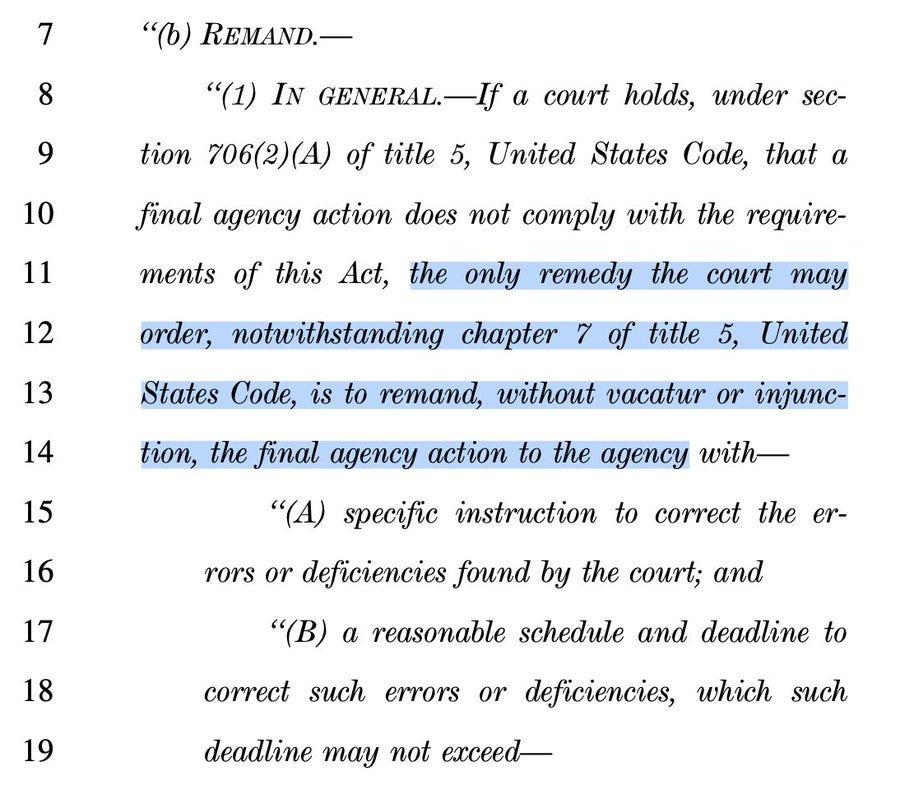
Tell your Representative to fix this: Vote YES on SPEED Act + Amendments 34/35/36!
The SPEED Act1, co-sponsored by Rep. Bruce Westerman (R-AR-4) and Rep. Jared Golden (D-ME-2), dramatically reduces delays from project-wrecking NEPA reviews by
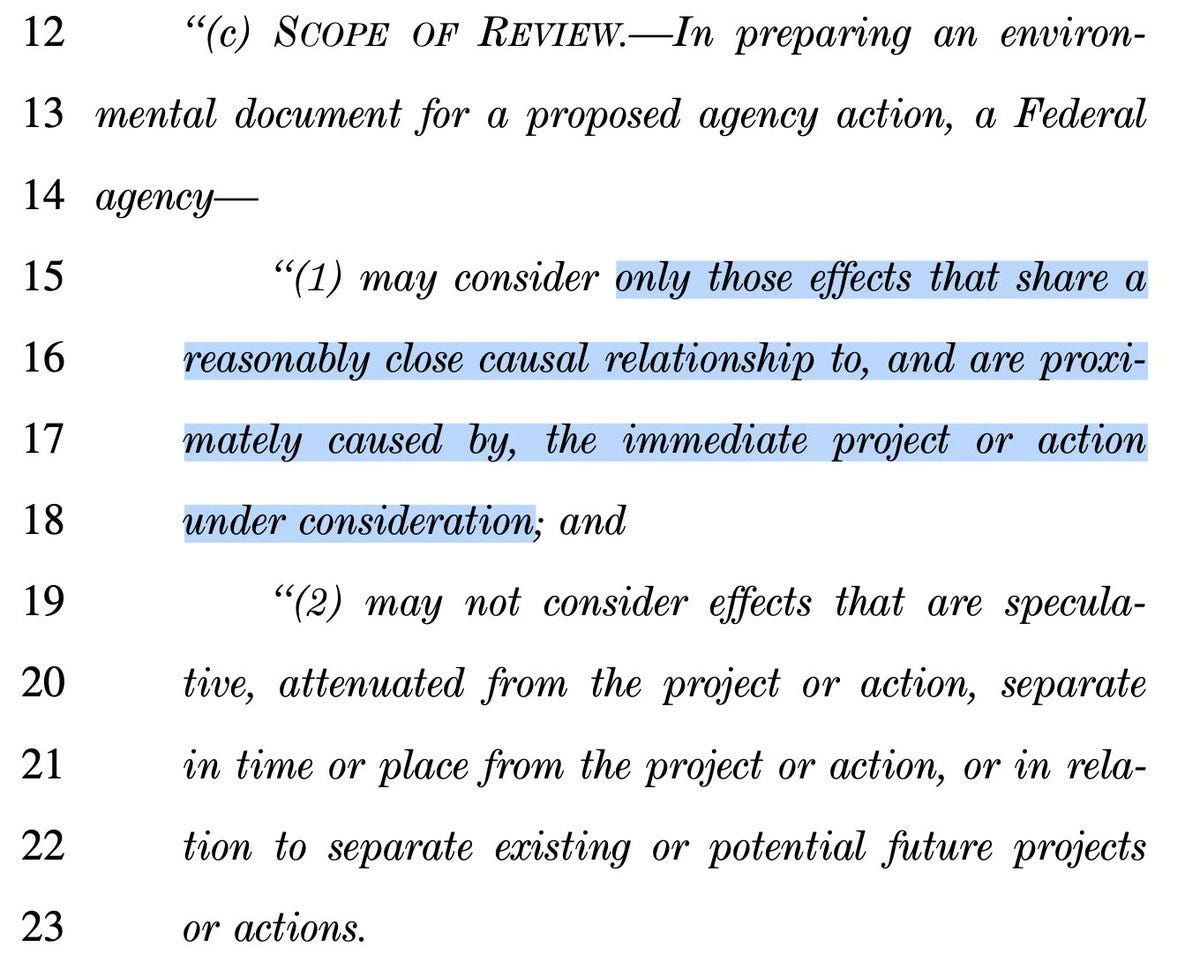
1) requiring a reasonable scope of review
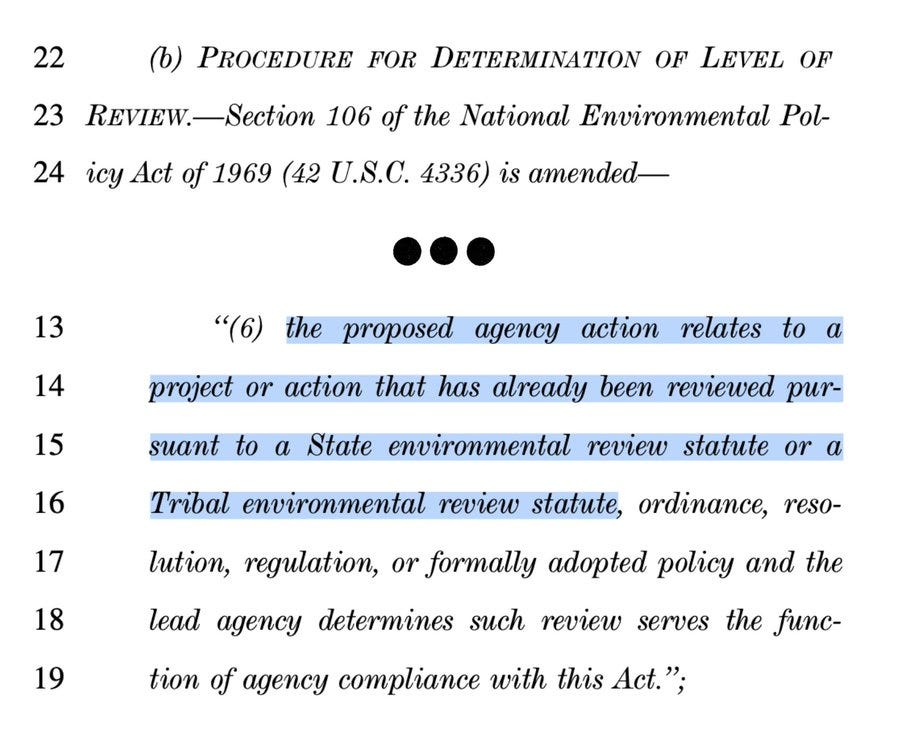
2) avoiding duplicative reviews
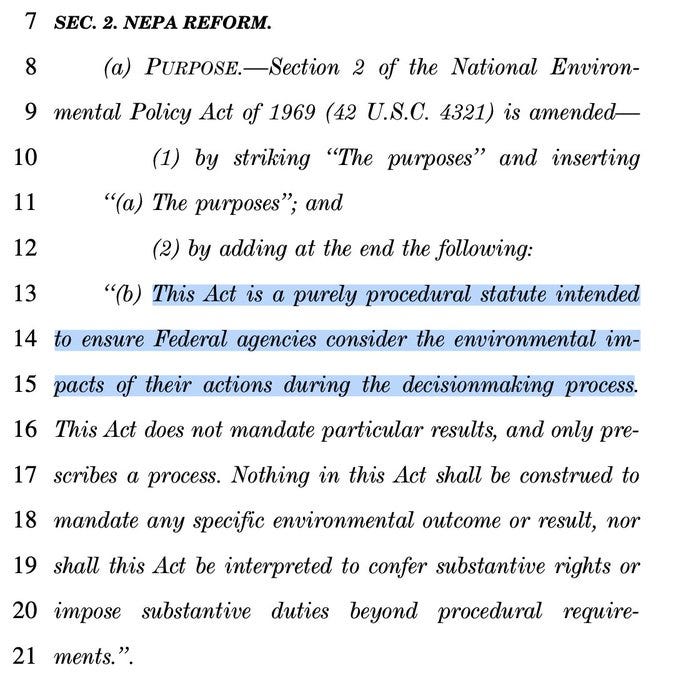
3) reducing frivolous lawsuits
4) reducing the delaying power of lawsuits1: SPEED requires a reasonable, not unlimited, scope of review—saving years of useless paperwork for key projects such as pipelines and LNG terminals.
E.g., under NEPA’s traditional, unlimited scope of review, the 88-mile Uinta Basin oil rail line required a 3600 page review!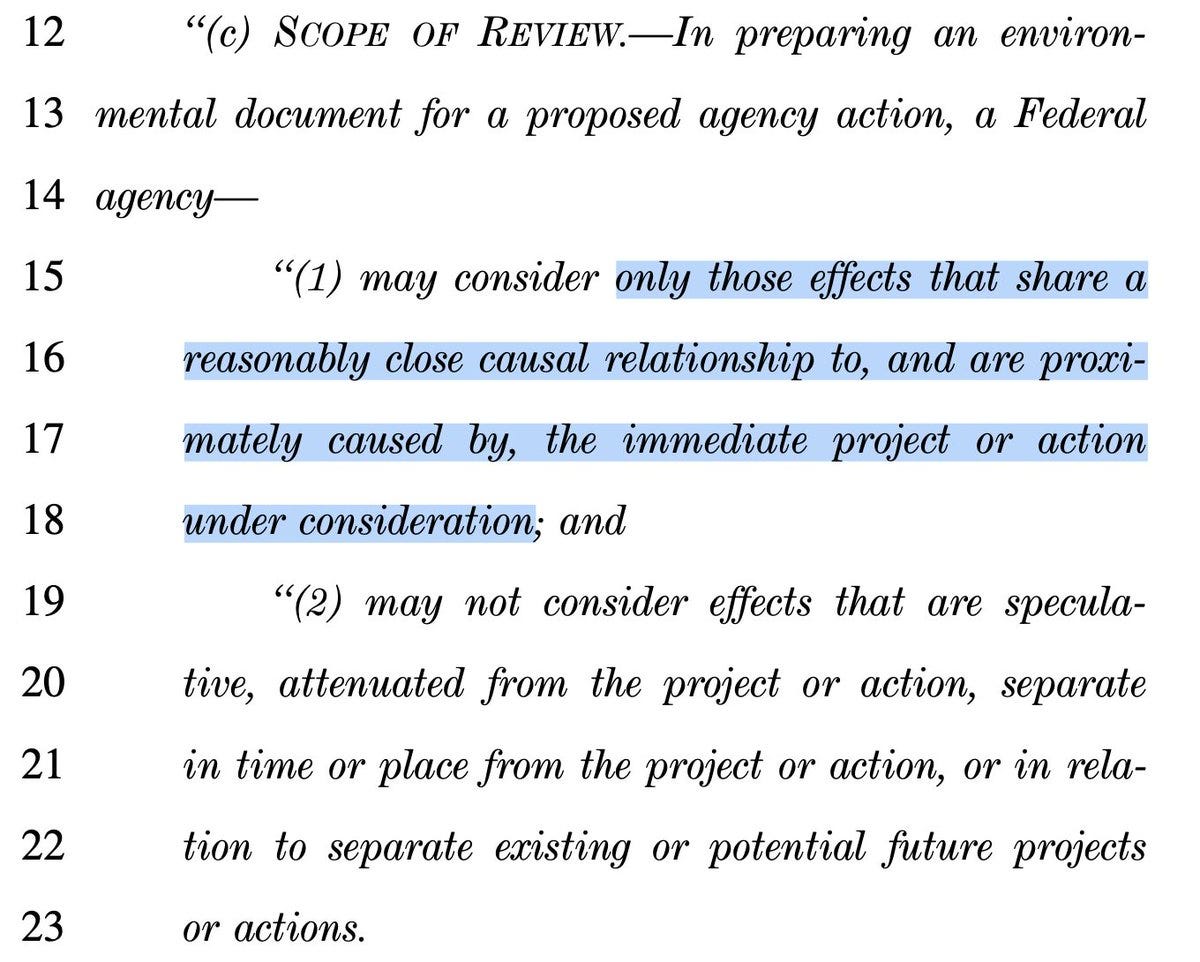
2: SPEED avoids duplicative reviews—saving months or years of reviews for projects that have already been reviewed for NEPA or by states.
E.g., currently, a project that spent years completing environmental analysis for CA law must repeat essentially the same analysis for NEPA.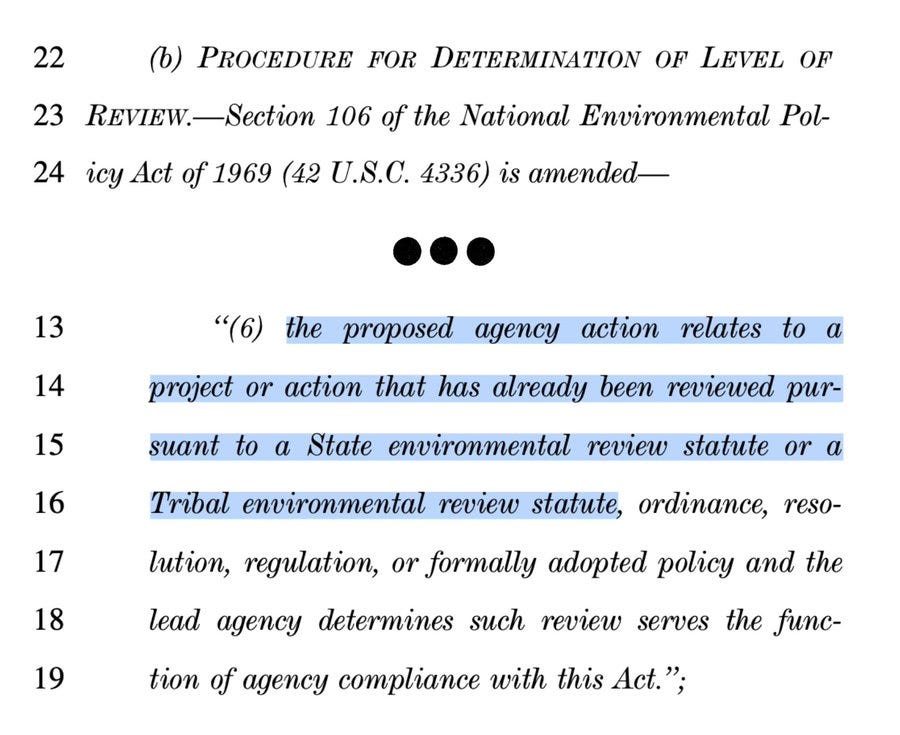
3: SPEED reduces the number of frivolous lawsuits—avoiding hundreds of politically driven lawsuits per year for major projects like pipelines and transmission lines.
E.g., the Mountain Valley Pipeline was sued again and again over alleged paperwork issues in its NEPA review.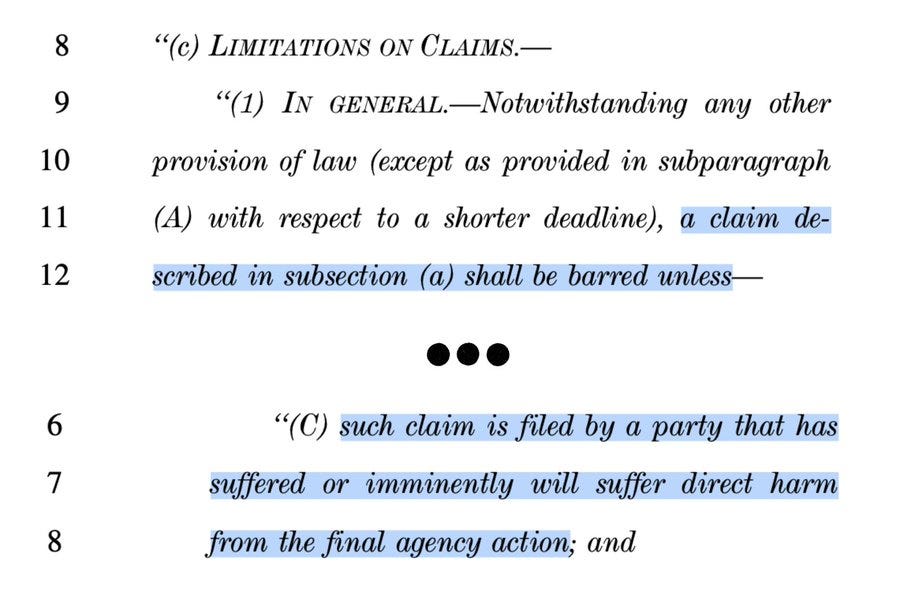
4: SPEED reduces the delaying power of lawsuits—saving years of delays and protecting hundreds of billions in expenditures for pipelines, power lines, roads, and mines.
E.g., Mountain Valley took 10 years to permit and build since it stopped for years at a time during lawsuits.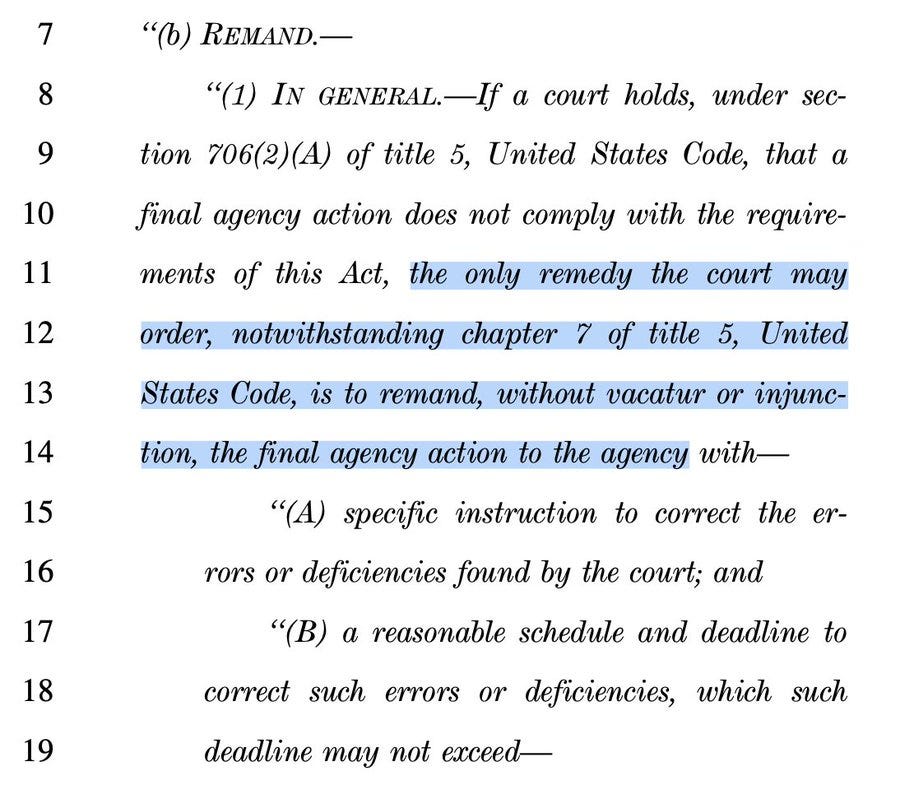
The SPEED Act protects and even improves environmental quality. It does not change the substance of environmental law but it does allow environmental improvement to happen more quickly.
E.g., NEPA delays often stop anti-wildfire measures like controlled burns or brush-clearing.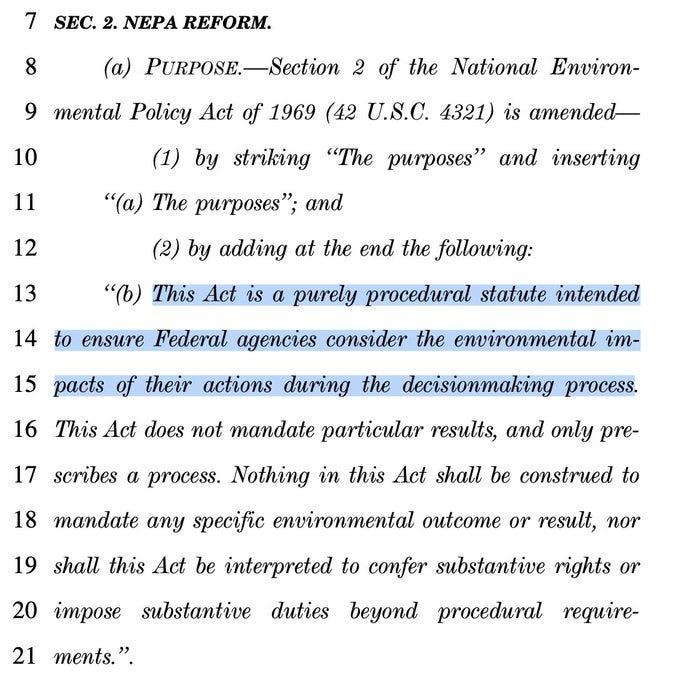
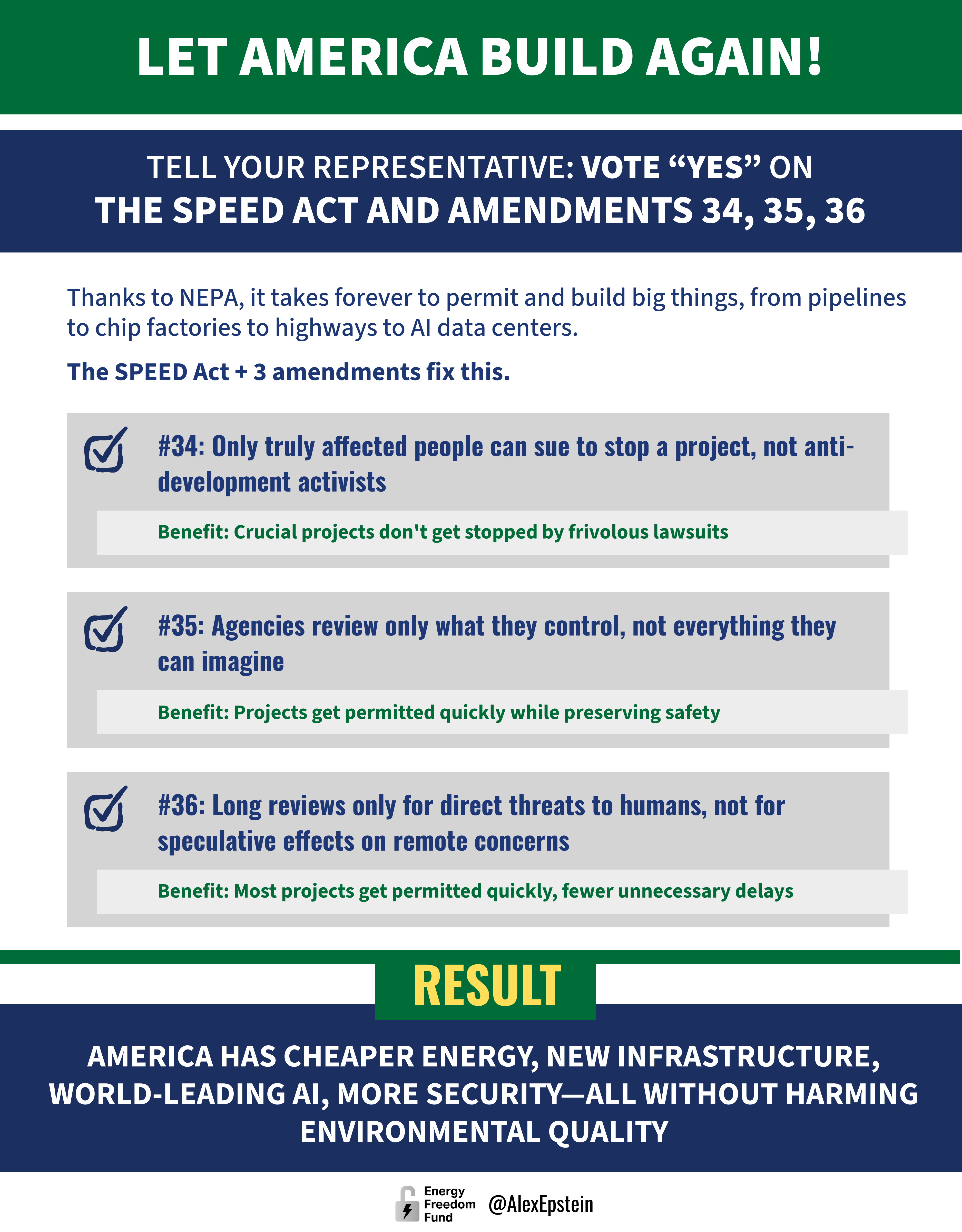
To improve the core text of SPEED—which is itself a major improvement of NEPA—House members have sponsored 3 key amendments to SPEED (#34, #35, #36) that will further reduce NEPA delays to the benefit of all major projects, from pipelines to transmission lines to data centers.
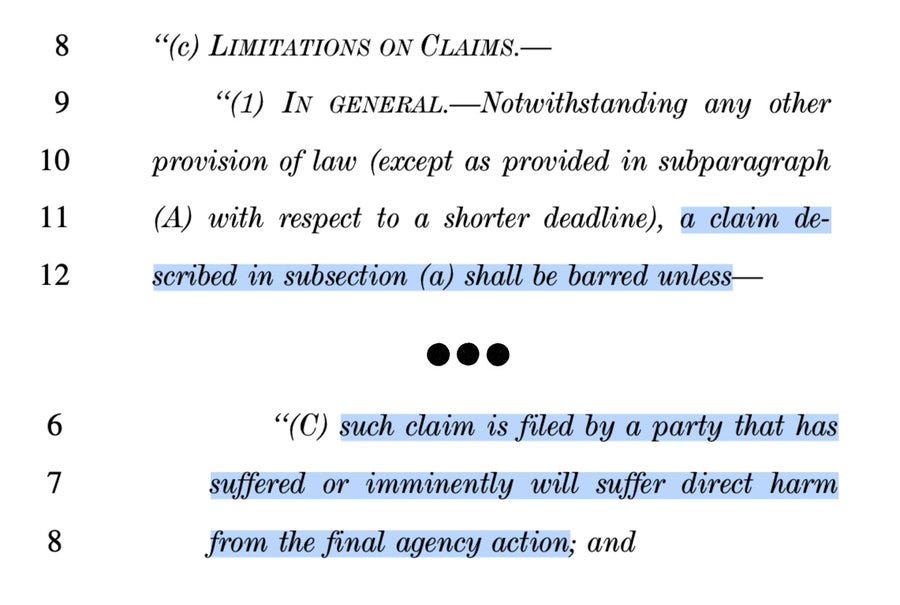
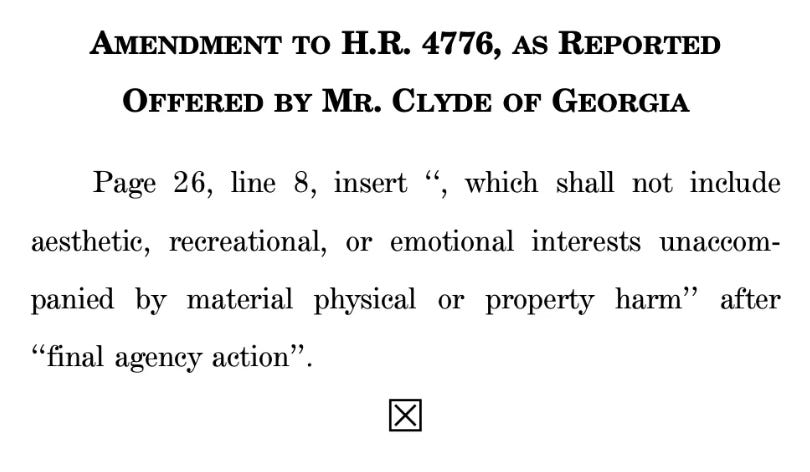
Amendment 34 to SPEED, led by Rep. Andrew Clyde (R-GA-9), ensures that only truly affected people, not anti-development activists, can sue under NEPA to stop projects.2
If this is passed, fewer crucial projects will get stopped by frivolous NEPA lawsuits.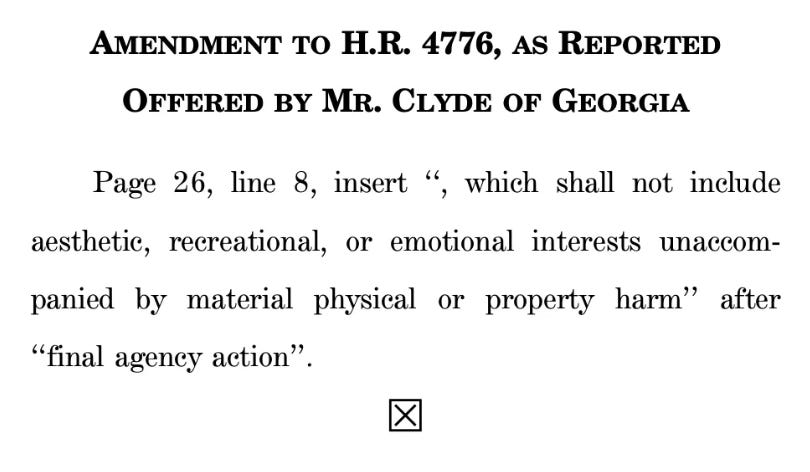
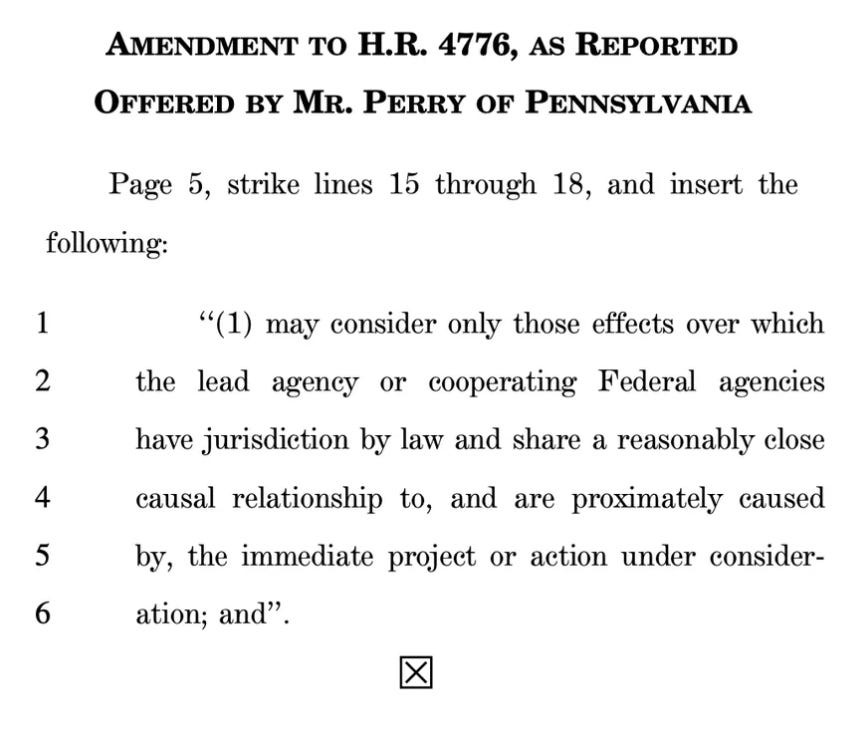
Amendment 35 to SPEED, led by Rep. Scott Perry (R-PA-10), ensures that when conducting NEPA reviews, agencies review only what they can legally regulate, not everything they can imagine.3
If this is passed, more crucial projects will get permitted quickly while preserving safety.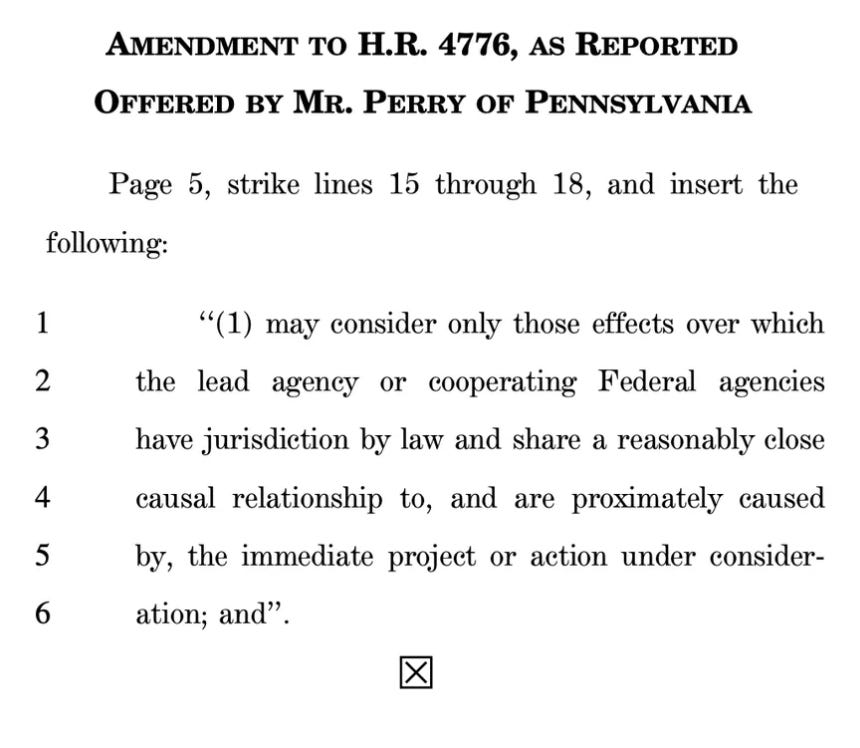
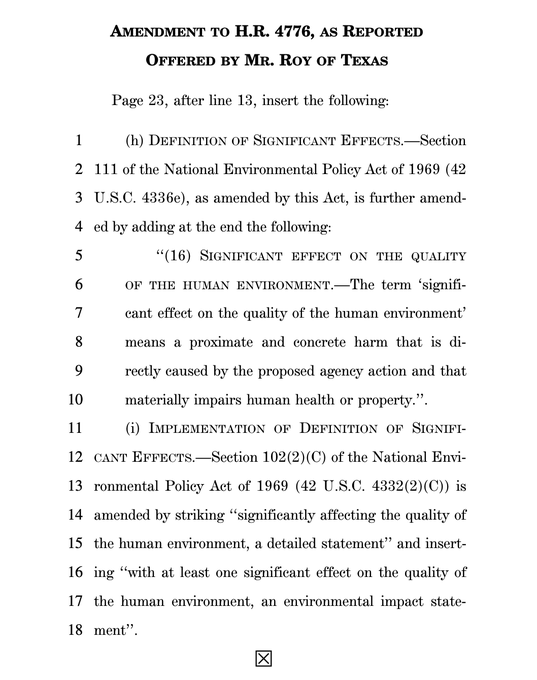
Amendment 36 to SPEED, led by Rep. Chip Roy (R-TX-21), reserves the most onerous form of NEPA reviews (”EIS”) for direct threats to humans, not speculative effects on remote concerns.4
If this is passed, most projects will get permitted quickly, with fewer unnecessary delays.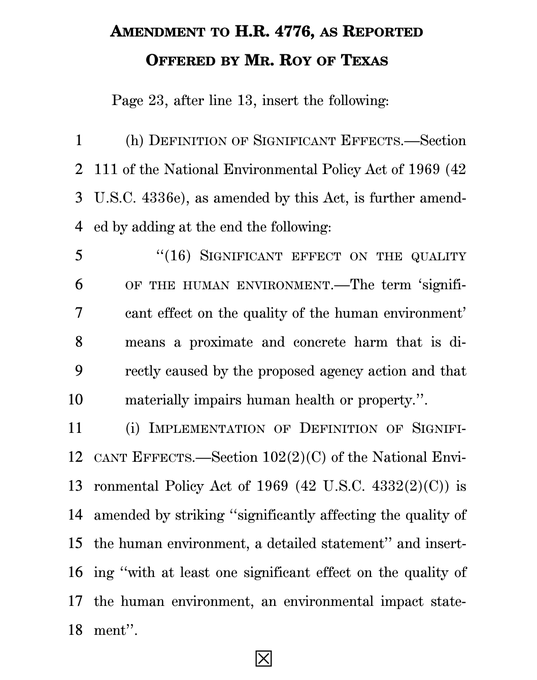
If House Republicans and Democrats pass SPEED Act + Amendments 34, 35, 36, America will have cheaper energy, new infrastructure, world-leading AI, more security—and high environmental quality.
Tell your Representative to vote YES on the SPEED Act AND Amendments 34, 35, 36!
Michelle Hung contributed to this piece.
Popular links
EnergyTalkingPoints.com: Hundreds of concise, powerful, well-referenced talking points on energy, environmental, and climate issues.
My new book Fossil Future: Why Global Human Flourishing Requires More Oil, Coal, and Natural Gas—Not Less.
“Energy Talking Points by Alex Epstein” is my free Substack newsletter designed to give as many people as possible access to concise, powerful, well-referenced talking points on the latest energy, environmental, and climate issues from a pro-human, pro-energy perspective.